In Central Coast NSW, an old or jammed garage door slows down your day. See the signs you need a new one, how installation day works, and what to expect.
In Central Coast NSW, an old or jammed garage door slows down your day. This page covers garage door installation in Central Coast NSW for homes, sheds and garages. You can expect a site check, a fitting date, and clear next steps. We're a trusted local garage door supplier, focused on lasting, safe doors.
Garage door installation follows six steps:
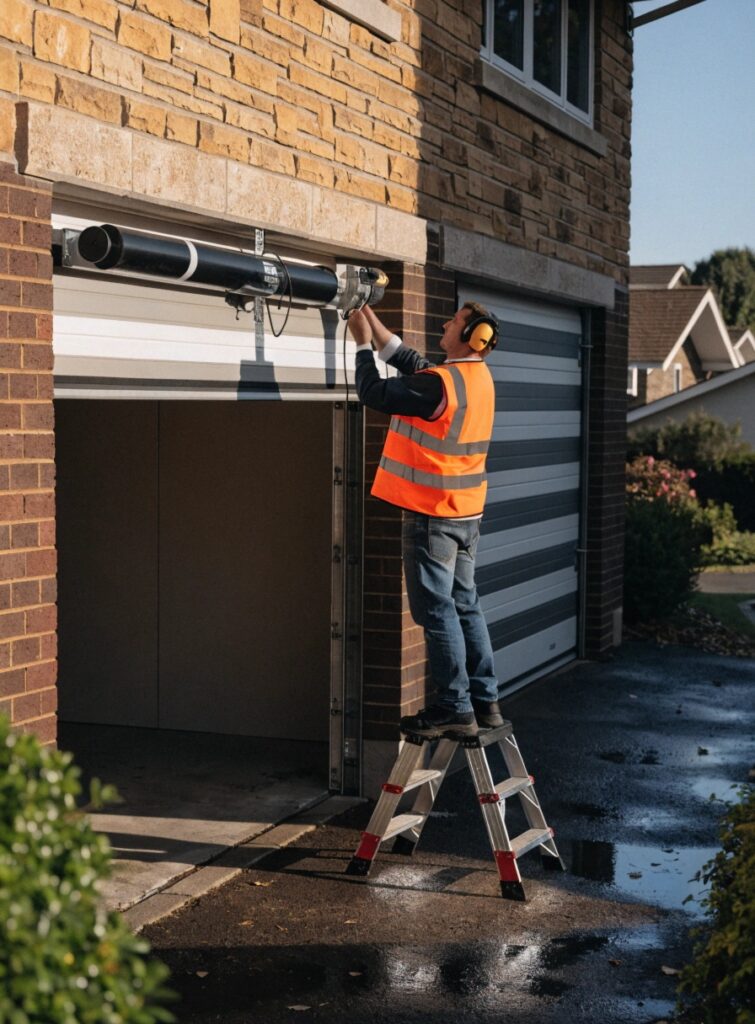
A garage door usually gives you warning before it stops working. Catching those signs early can save you from a full breakdown at the worst moment.
Watch for grinding or rattling noises when the door opens. Notice if it sticks partway, moves slowly, or shudders along the track. Sagging panels and doors that sit crooked in the frame are also worth checking.
Rust is another clear sign. Near the coast, salt air speeds up rust on metal doors, so look closely at panels, hinges and the bottom edge.
If you see several of these signs at once, a repair may only buy you a little more time. A new door can be the more practical choice.
Not sure what you're looking at? Get in touch and we can take a look.
Fitting a garage door yourself can look straightforward. In practice, it involves heavy panels, springs under high tension, and fine adjustments that need to be right.
The main risks are injury during the fit, panels that sit out of alignment, and a door that binds or wears quickly. Rework costs time and money, and it often means pulling the door back off the tracks.
Older Central Coast homes often have uneven frames, so accurate measuring matters. A professional install covers the measuring, the fit, the opener connection and the safety testing in one visit.
If you'd rather leave it to a fitter, contact us to discuss your garage door.
Installation day follows a set order, so you know what to expect from arrival to clean-up.
Our fitter arrives and confirms the measurements against the opening. The old door comes off first, along with the old tracks and hardware. Next, the new frame goes in, then the panels are fitted and squared up in the opening.
Once the door is hanging correctly, the opener is installed and connected. The door is then tested, and the work area is cleared of packaging and old materials before we leave.
Coastal wind can affect scheduling near exposed spots like Norah Head. If conditions change on the day, we'll let you know.
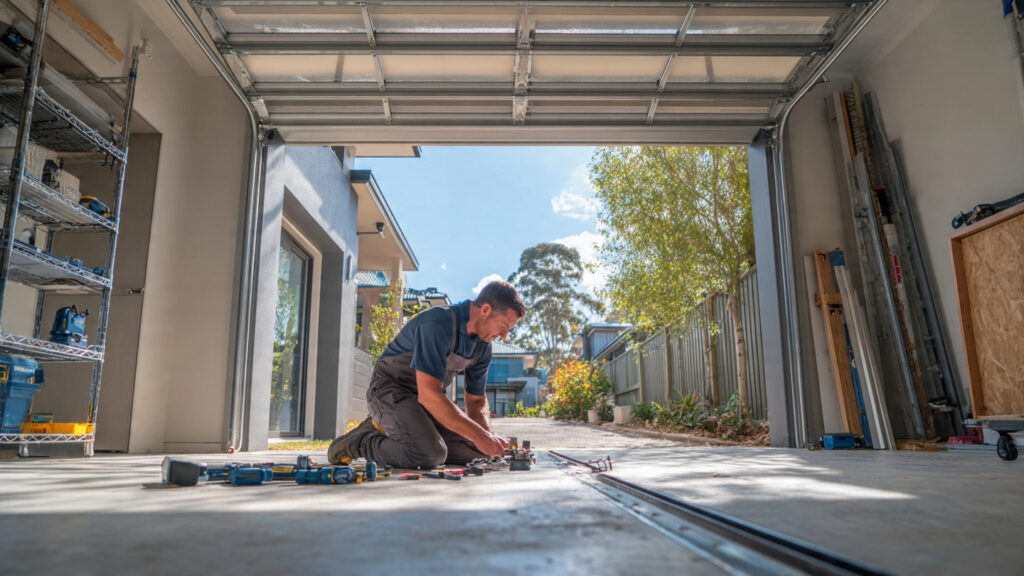
Testing is the last step of the install, and it's worth watching so you know what a correctly set door feels like.
Balance comes first. With the opener disconnected, the door should sit in place when lifted halfway, rather than dropping or rising on its own.
The safety sensors are checked next. With the door closing, blocking the beam should stop the door. Auto-reverse is tested the same way, so the door reverses instead of continuing down.
Humid coastal air can affect sensor performance if untested, so the sensors are checked on the day rather than assumed.
Ask your fitter to run through each test with you before they leave.
A new door holds up better when it gets a little regular care. None of it takes long.
Rinse the door with fresh water to clear built-up grime. Salt spray near beachside suburbs like Umina Beach needs regular rinsing, so put it on a routine rather than waiting for marks to show.
Keep the tracks clear of dirt and leaves. Look over the hinges, rollers and brackets now and then for rust or loose fittings. Listen for new noises, and check that the door still runs smoothly through its full travel.
Book a service if something sounds or feels different. Small adjustments made early prevent early wear.
DIY is possible, but it carries real risk. A professional install is safer and faster.
Most jobs finish in one day. The exact time depends on the door type — see our full guide to garage door install timeframes.
Only for structural changes. Simple replacements usually don't need one.
With regular care, a quality door lasts many years.
A technician measures the opening, fits the frame and panels, installs the door, and tests it.
Watch for rust, noise, sagging panels, or a door that sticks.