Belt-drive or chain-drive, sized right for your door — supplied and installed across Central Coast NSW.
Garage door openers in Central Coast NSW do a small job that matters a lot. They keep your garage locked up. They also make it easy to get in and out each day. When an opener works well, you hardly notice it. When it starts to play up, you notice right away.
This page answers the questions we hear most. You will learn how the main opener types differ. You will learn how to pick the right motor size for your door. You will also learn the signs of an old opener, and what a proper install involves.
If you already know you need a new opener, contact our team to book it in.
We are a garage door supplier working across Central Coast NSW. We help you match the right opener to your door and to the way you use it.
A reliable opener is one built for coastal weather and daily use. Belt-drive motors are the quietest. Chain-drive motors are stronger, so they suit heavy doors. Salt air is tough on metal here, so ask about rust-resistant parts and coatings.
The drive is the part that pulls your door up and down. Most homes here use a chain drive or a belt drive. The choice comes down to noise and door weight.
A chain drive uses a metal chain. It is the tougher of the two. It suits heavy doors and heavy daily use.
A belt drive uses a rubber belt. It runs more quietly. That helps if a bedroom, study or living room sits above or beside the garage.
Is your garage away from the main living areas? Then noise matters less, and a chain drive often makes sense.
Homes near the water, like those around Woy Woy, get damp, salty air. If that sounds like your home, ask us about sealed units and rust-resistant parts when we quote.
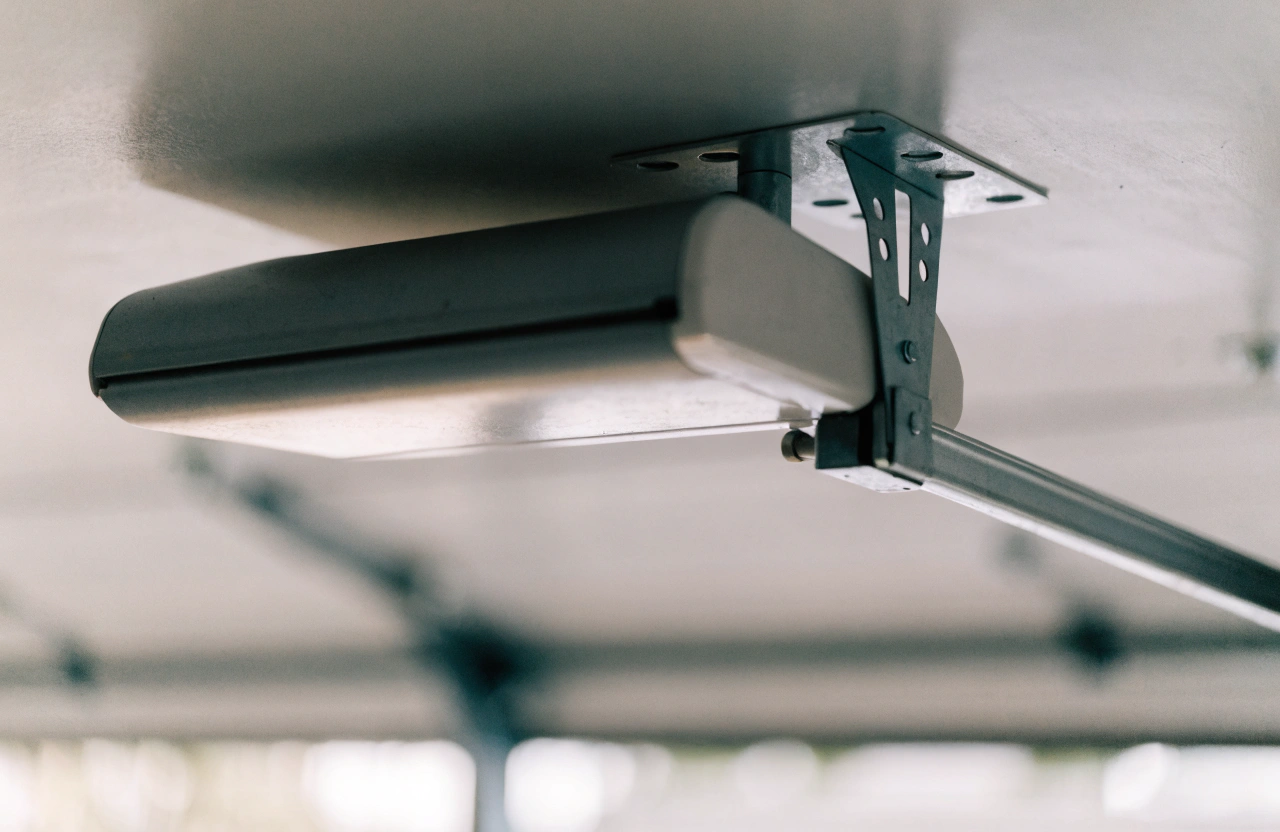
Motor power is measured in horsepower, written as hp. The right size means your door lifts smoothly instead of straining.
A 1/2 hp motor suits lighter single doors. It is the usual pick for a standard single panel or roller door.
A 3/4 hp motor is the stronger choice. It handles heavy double doors with ease. It also suits solid timber and insulated panels.
Size is only part of the answer. Weight counts just as much. A light steel double door and a thick timber single door can need very different motors.
Some older homes around Gosford still have their first timber doors. These are heavier than new panels. Not sure what your door weighs? We can check it and tell you the right motor size before you buy.
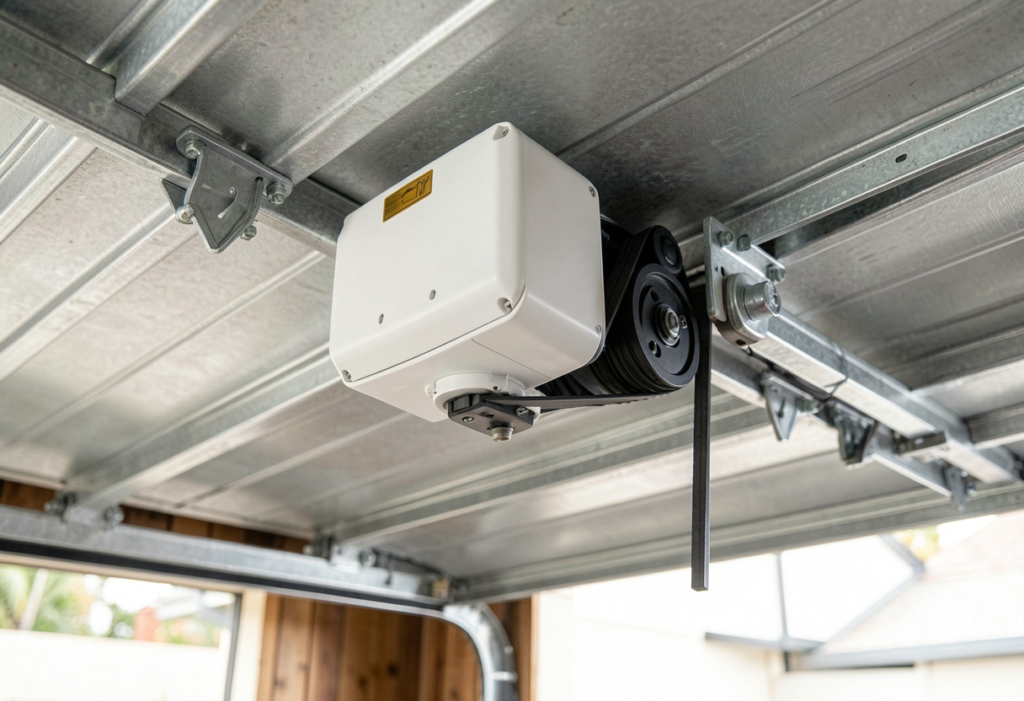
Openers rarely quit without warning. They usually drop small hints for months. Spotting them early saves you from a door that will not move.
Watch for these changes:
Is your opener more than ten years old and doing any of these? Then it is worth a look. Parts for old models can also be hard to find.
Salt air along the coast is tough on metal. That includes areas like Terrigal and Avoca Beach. Motors and gears there can wear sooner. So listen to your opener and watch how it moves.
If something has changed, contact us. We will take a look before it grows into a bigger job.
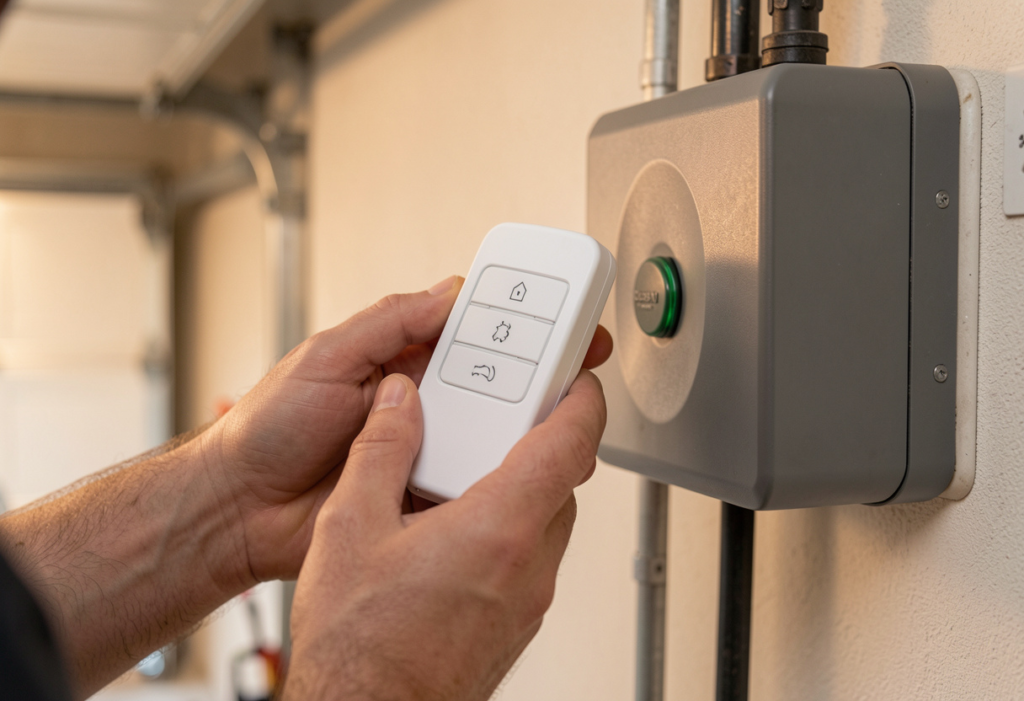
A little prep makes install day go smoothly. Most of it is simple checking, not real work.
Start with the door. An opener only lifts the door. It does not hold all the weight. If the door sticks or sits out of balance, fix that first. If you do not, the new motor will work harder than it should.
Next, check the hardware. Tracks should be straight and clear. Rollers and hinges should be firm. Older doors sometimes need extra brackets before a motor goes on.
Then think about power. Your opener needs a power point near the motor head. If there is none, tell us early so it can be sorted.
Last, clear some space. Move stored items away from the ceiling above the door. Leave us room to work from a ladder.
Homes in suburbs like Erina and Kariong often have doors that have been up for many years. So bracket and track checks are a normal part of the job. We go through all of this when we quote. Nothing should hold up your install.
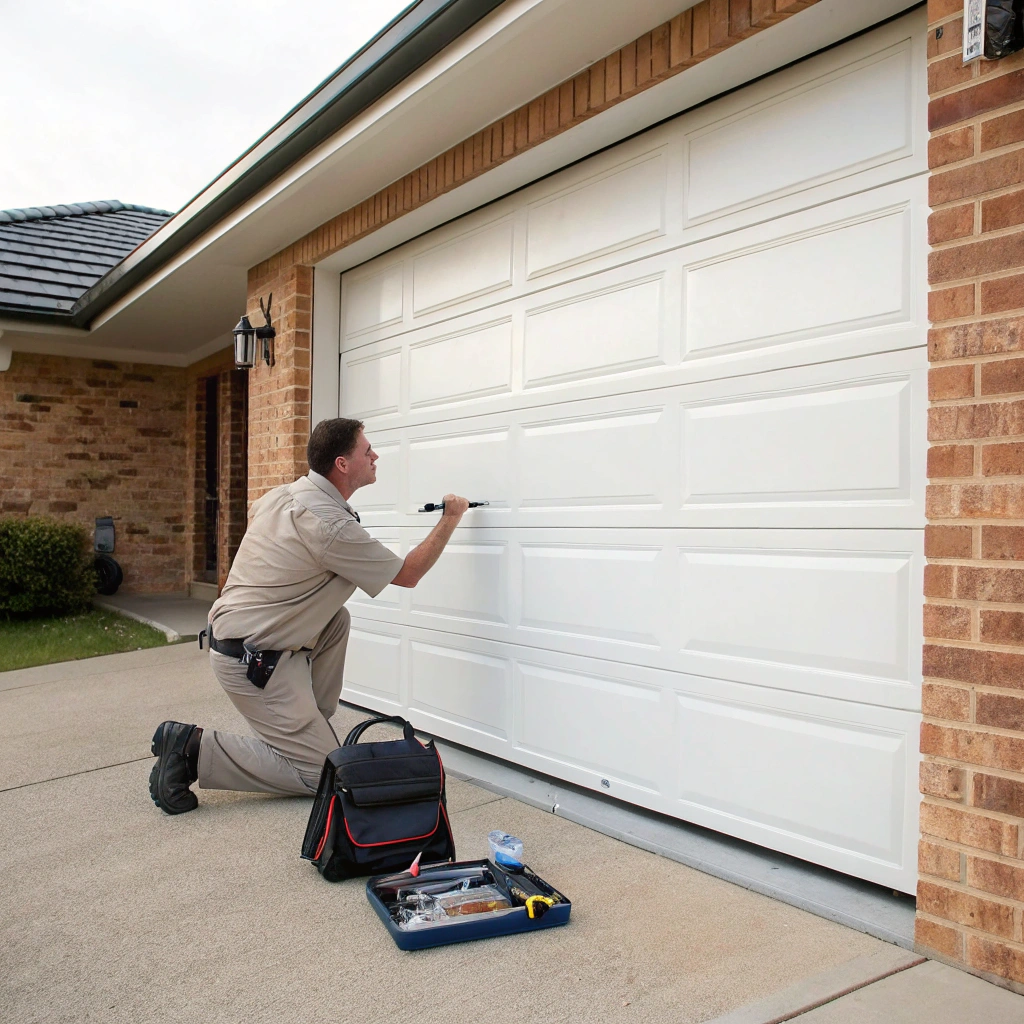
Fitting an opener looks easy in a video. In real life it means electrical work, heavy parts and safety gear that must be set up right.
Wiring is the first reason to leave it alone. In NSW, hardwired electrical work must be done by a licensed person. That is the law, and getting it wrong is risky.
Safety sensors are the second reason. These small units sit near the floor. They stop the door closing on a person, a pet or a car. They must be lined up and tested. If not, they can fail when you need them most.
The setup is the third reason. Travel limits tell the door how far to move. Force settings tell the motor how much push to allow. Set them poorly and the door can slam, stop short or strain the motor.
Then there is the hardware itself. Motor heads and brackets are heavy, and they sit above your head. They must be fixed to something solid.
We handle the wiring, the mounting, the sensors and the testing. Then we show you how it all works before we leave. Get in touch when you are ready to book your install.
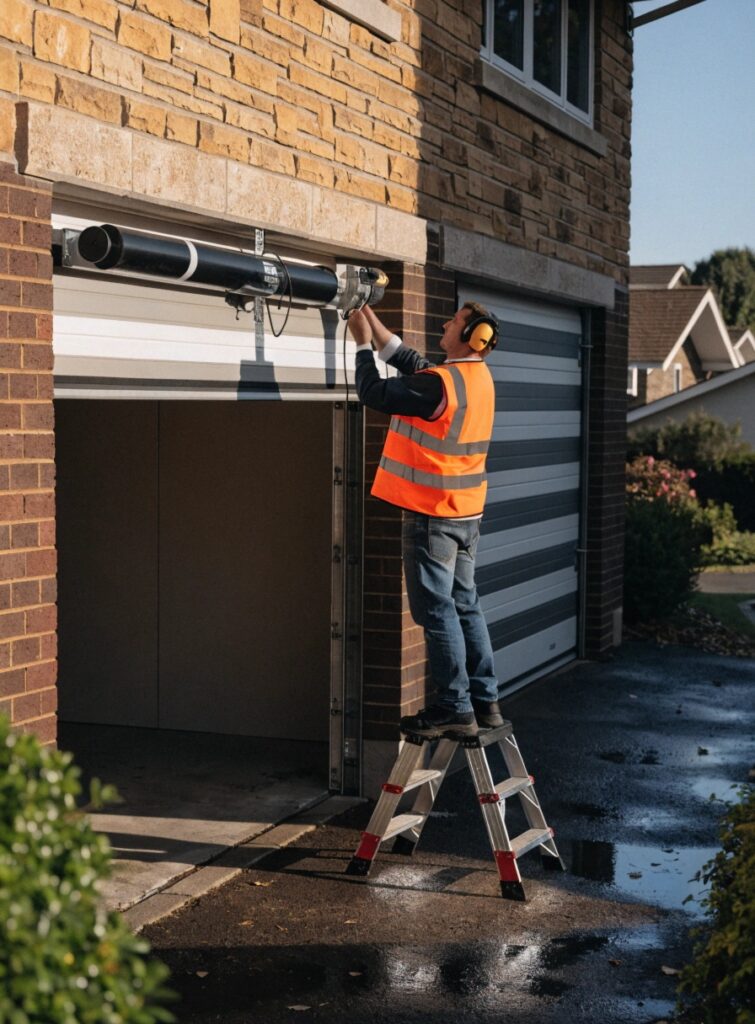
A new opener asks very little of you. Still, a few minutes each season keeps it working as it should.
Every few months, try these checks:
Moving parts need the right lubricant too. Ask us what to use on your model. The wrong product can pull in dust and make things worse.
Storm season brings heavy rain and damp air to areas like Wyong and Tuggerah. Damp weather is harder on metal. So check your tracks and hardware after a big stretch of weather.
If a check turns up something you are unsure about, contact us. We will sort it out.
Most openers last about 10 to 15 years. Coastal air can cut that short, because salt and damp are hard on metal. Is yours near the ten-year mark? Book an inspection so you know where it stands.
Yes. Hardwired openers need electrical work by a licensed person in NSW. The safety sensors also need lining up and testing. Book a certified fitter instead of doing it yourself.
A belt drive runs more quietly than a chain drive. That is why it suits garages next to or below living areas. If noise bothers you, ask us about an upgrade at your next service.
Usually, yes. Most doors will take a new opener on their own, as long as the door is sound and moves freely. Book a compatibility check and we will confirm it for your door.
A 3/4 hp motor handles most double doors. Weight counts as much as width. So confirm the size with us before you book the install.
A slow start after you press the remote. Grinding noises from the motor. A door that closes unevenly. If you notice any of these, book a check-up soon.
Call us today on (02) 4306 7980 or get in touch online for your free quote.