Your garage door works hard. It goes up and down a few times a day, every day. Over time, that wears out the springs, cables, rollers and tracks. Coastal weather on the Central Coast can add to that wear.
Most people call us when something changes. The door sticks halfway. It makes a grinding noise it never made before. It jerks on the way up. Or it just won't shut. Some faults are small. Others, like a worn spring or cable, are not safe to touch yourself.
This page covers the problems we fix, the warning signs to watch for, and what happens during a service visit. It also looks at how local weather can affect your door, and how to decide between fixing an old door or replacing it.
Repairs and maintenance are one part of what we do as a garage door supplier on the Central Coast.
If your door isn't working right, get in touch with our team to book a repair or service visit.
Most garage door faults come down to a few parts. If your door has stopped working, the cause is likely on this list.
Some of the most common garage door repairs are:
Balance and tension can cause trouble too. When a door does not sit evenly, the extra strain lands on the springs, rollers and opener.
We find and fix these faults on doors you already have. Tell us what your door is doing, and we can talk it through and book a visit to take a look.
Not every change is urgent. Some are worth keeping an eye on. Others mean you should stop using the door and get help.
Noise is often the first clue. Grinding, scraping or a loud bang usually means a part has worn out or come loose. Movement can change too. A door that jerks, shakes or lifts on a slant may be out of balance. A roller or track could also be at fault.
Take extra care with these signs:
A worn or broken spring or cable needs quick attention. These parts are under high tension and can snap without warning. It is safer to have them checked by a pro than to test the door yourself.
If your door still moves fine but has grown a bit noisy, keep an eye on it and mention it at your next service. If it grinds, moves unevenly, or you can see damage to a spring or cable, contact us and we'll book a visit.
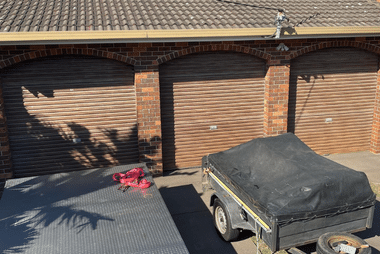
A service visit catches small problems while they are still small. Rather than wait for a part to break, we check and adjust the door while it is still working.
A service visit usually covers:
Most of this work is quiet and easy to miss. A worn roller or a loose bolt rarely makes itself known until the door is already sticking or noisy.
Booking a service while the door still runs also puts you in charge of the timing. The door gets checked on your schedule, not on the day it quits.
If it has been a while since anyone looked at your door, get in touch and we can book a service visit.
Living near the sea can be tough on a garage door. Salty air and damp weather can speed up rust on metal parts. That includes springs, rollers, tracks, hinges and other hardware.
Rust matters because it changes how those parts behave. A rusted spring is more likely to snap without warning. That is one reason worn springs are worth catching early.
Salt can also build up on tracks and rollers. That buildup can add friction. You may notice the door catching, sticking or moving unevenly.
None of this happens overnight, and no two doors are the same. How open your garage is to the weather matters. So does how often you use the door. Still, if you live close to the water, more frequent checks and lubrication may be worth it.
If you'd like your door looked over, contact us to book a service visit.
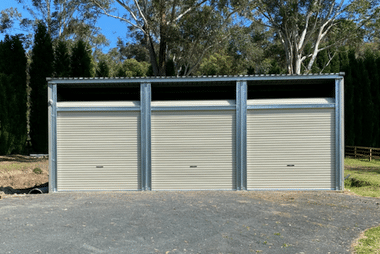
The Central Coast gets its share of coastal lows. That includes the storms known as East Coast Lows, which can bring damaging wind gusts to the region.
Wind pushes on a garage door in a way daily use does not. Strong gusts can dent or bend panels. They can also knock a door off its track. The door may still open and close after, so it is easy to think nothing has changed.
After rough weather, look for:
Damage isn't always easy to spot from the driveway. A door that has shifted on its track can keep running for a while before the fault shows up.
If your door has been through a storm and something seems off, get in touch and we can book an inspection.
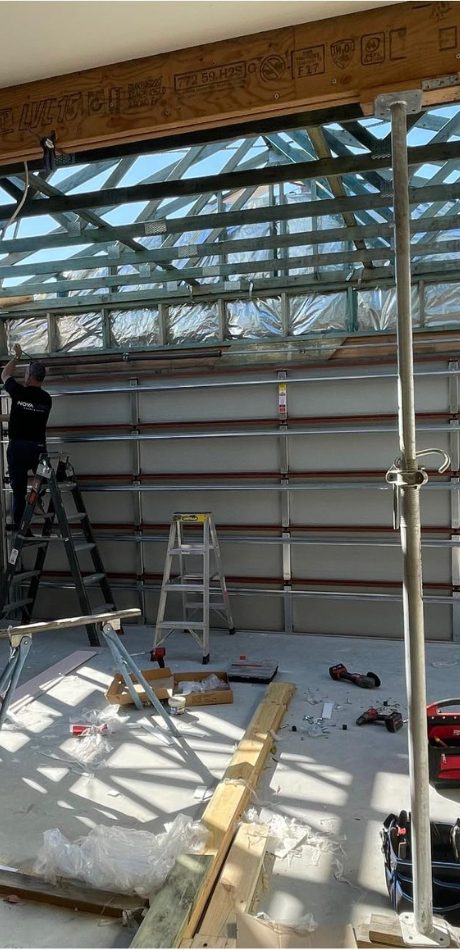
Most doors can be fixed. The real question is whether a repair still makes sense, or whether a new door is the better move. A few things help you decide.
How much has failed. One worn part is a simple repair. When several parts fail at once, or the same fault keeps coming back, it helps to look at the whole door instead of one piece at a time.
The age and condition of the door. Panels, hardware and the opener don't wear out at the same rate. A door with solid panels and a tired opener is a different case to one where the panels are dented or rusted.
Whether parts are still made. Older or discontinued doors can be harder to find parts for. If a part can't be matched, your repair choices may be limited.
Coastal rust plays a part too. Where salty air has eaten into metal parts over the years, a new door can become the more practical choice sooner than it would elsewhere.
The clearest way to decide is to have the door checked. Contact us and we can look at its condition and talk through your options.
Please give us a call on (02) 4306 7980 to arrange an on-site meeting. Together we can arrange for us to meet your garage door needs on the Central Coast NSW.
There isn't one single cause. Most faults come back to a few parts. Springs and cables are common. So are worn rollers, bent tracks and loose hinges. The opener or motor can fail too. Safety sensors can get blocked or knocked out of line. Which one applies to your door usually shows in how it behaves when it fails.
Regular servicing helps catch wear before it turns into a bigger failure. Near the coast, salty air and damp weather can speed up rust on metal parts. More frequent checks and lubrication may be worth it. How open your garage is to the weather matters, and so does how often you use the door. If you're not sure, contact us and we can talk through what suits your door.
It depends on a few things. Look at how much has failed, and whether it's one part or several. Look at the age and condition of the door, mainly the panels and hardware. Parts matter too, as older doors can be harder to find them for. Having the door checked is the clearest way to decide.
Look for wear, gaps or breaks in the spring, along with rust. Listen for loud bangs, grinding or creaking. Watch for uneven movement, or a door that suddenly feels heavier. Springs are under high tension and can snap with little warning. That is why a pro should check them, rather than doing it yourself.
You can do plenty just by paying attention. Watch how the door moves. Listen for new sounds. Keep the tracks clear of dirt and leaves. Check that nothing is blocking the safety sensors. Jobs like adjusting spring tension, working on cables or setting the opener are better left to a pro. They involve high-tension parts and fine settings.
It's a fair step to take. The Central Coast can get damaging winds, and wind can dent panels or push a door off its track. The damage isn't always easy to see, and a door may keep running for a while before the fault shows. If your door has been through rough weather and looks or sounds different, it is worth a check.